Composite Tooth Bonding For A Subtle Smile Refresh
Quick, painless and minimally invasive, composite bonding refines the little details you may not love about your smile using a tooth-coloured resin.
Bonding for Teeth
Quick, painless and minimally invasive, composite bonding refines the little details you may not love about your smile using a tooth-coloured resin.

Composite bonding is only available at private practices. This is because the NHS does not cover cosmetic treatments, only ones that meet a clinical need.


Composite bonding is one of the quickest ways to achieve a beautiful straight white smile, with full mouth transformations taking less than 4 hours.
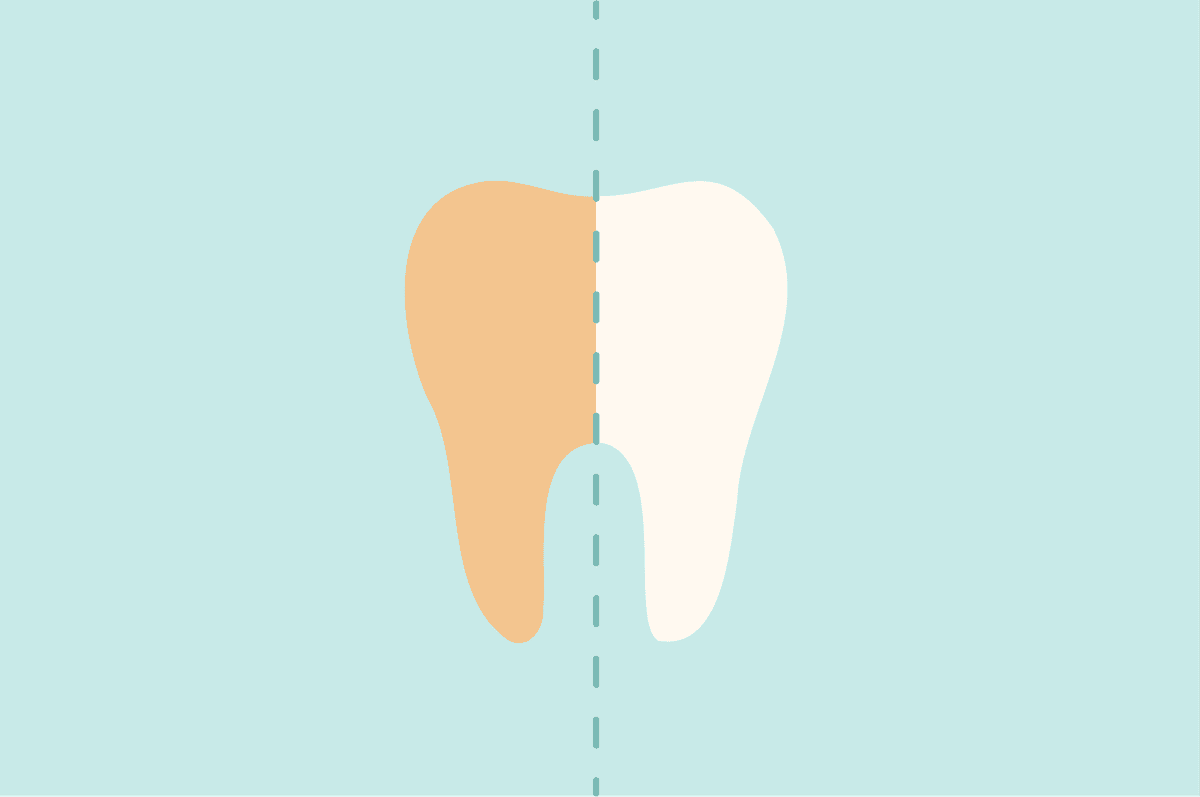
Perfect chipped, cracked, worn and discoloured front teeth with composite bonding. This cosmetic dental treatment lasts up to 5+ years with care.
Teeth bonding is a popular cosmetic dental treatment that is quick, painless and relatively low cost. However, it has some disadvantages to be aware of.
Composite bonding is a great treatment for small, worn down teeth. Using a hard-wearing dental resin, the smile artists at YDS can add visible length.


When choosing a toothpaste, composite bonding patients should look for low-abrasive formulas that resist scratching and discolouring their new smile.
If you’re looking for a beautiful straight white smile (and fast), composite bonding is the ideal solution. With care, it can last 5 years.
Discover composite bonding, the non-destructive way to achieve a perfect straight white smile in hours. Lasts up to 5+ years with care.

Composite bonding is a popular dental treatment that provides a quick cosmetic ‘fix’ for a number of smile issues, including gaps and discolouration.
The five year mark is typically when your bonding shows signs of wear and tear. The severity of this depends on how you care for your smile.


The composite resin used in this popular treatment is porous, meaning the pigments found from your diet or lifestyle habits (like smoking) can be absorbed.